

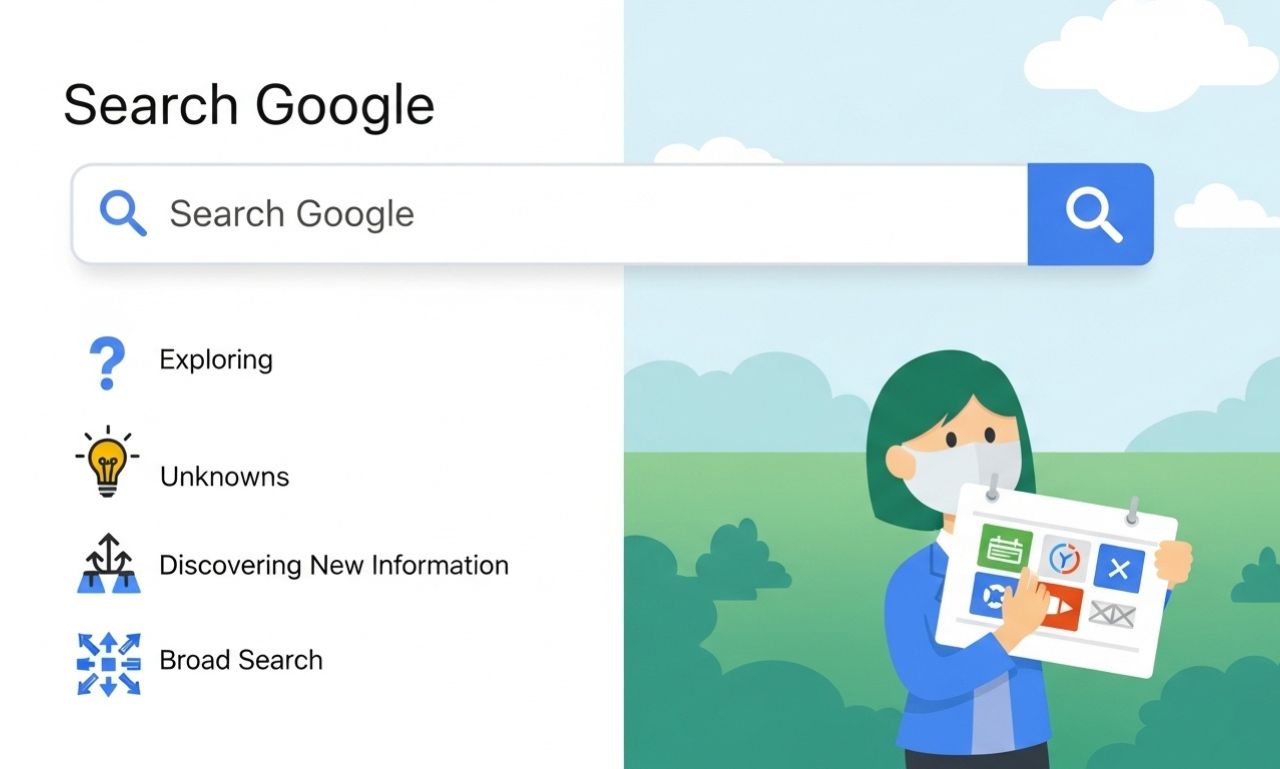
In a digital world overflowing with information, how do you find what you’re looking for? Do you turn to Google and let it sift through the vast web of content for you? Or do you prefer the straightforward approach of typing a Search Google or Type a URL directly into your browser? This intriguing debate has been going on for years. It raises questions about convenience, efficiency, and user habits. With so many options at our fingertips, how do we choose the best method? Let’s dive deeper into this clash between searching Google and typing URLs to discover which method truly reigns supreme in today’s online landscape.
What is Search Google or Type a URL?
In the digital age, navigating the web often boils down to two main strategies: searching on Google or typing a URL directly into your browser.
Searching Google involves entering keywords or phrases that lead you to relevant websites and information. This method is versatile, allowing users to explore an array of topics with just a few clicks.
On the other hand, typing a URL means you know exactly where you want to go. It’s direct and straightforward—no middleman needed. By entering a specific address, you’re immediately transported to the desired site.
Both approaches have their unique use cases. Some prefer exploring vast search results for discovery, while others appreciate knowing precisely what they’re looking for before they start browsing. This dichotomy reflects individual preferences in how people interact with online content daily.
Benefits and limitations of using Google for search queries
Using Google for search queries offers numerous benefits. It provides instant access to a vast pool of information. With just a few keywords, users can uncover articles, videos, and images tailored to their needs.
The convenience of voice search adds another layer of ease. You can simply ask questions aloud and receive immediate answers. This feature is especially handy when multitasking or on the go.
However, relying solely on Google has its downsides. Search results are often influenced by algorithms that prioritize certain content over others. This may lead to biased information or limit exposure to diverse viewpoints.
Additionally, sifting through countless links can be overwhelming. Sometimes the most relevant answers get buried beneath ads or less useful websites. Users might find themselves frustrated rather than informed after multiple searches for clarity on complex topics.
Advantages and disadvantages of typing a URL directly into the browser
Typing a URL directly into the browser has its perks. It’s often quicker for those who know where they want to go. A simple keystroke can whisk you right to your destination, saving time on search results.
Another advantage is accuracy. When you enter a URL correctly, there’s no ambiguity in the result. You land exactly where intended without sifting through links or ads that may distract from your goal.
However, there are downsides too. For one, not everyone remembers URLs easily. Mistyped addresses lead to error pages and frustration.
This method also limits serendipitous discovery; users miss out on related content or sites they might have found through a search query.
Understanding these aspects helps navigate online efficiently while weighing personal preferences against usability challenges.
A closer look at user preferences and habits when it comes to search methods
User preferences reveal fascinating insights into how we navigate the web. Many people gravitate towards Google for its speed and convenience. The search engine’s algorithms deliver a plethora of results, making it easy to stumble upon unexpected gems.
However, there’s a loyal group that swears by typing URLs directly. This method often feels more efficient for frequent visitors to specific sites. Users appreciate the directness—no distractions from ads or irrelevant links.
Interestingly, demographics play a role too. Younger users tend to favor searching on Google due to their tech-savvy nature and reliance on instant information. In contrast, older generations might prefer typing URLs as they value familiarity over exploration.
These habits shape our interaction with online content in distinct ways, influencing everything from website design to SEO strategies.
Factors to consider when deciding between using Google or typing a URL
When deciding whether to search Google or type a URL, user intent plays a crucial role. Are you seeking instant information or looking for a specific website? If it’s the latter, typing the URL directly can save time.
Consider your familiarity with websites. Frequent visitors often bypass search engines altogether. They know exactly where they want to go and how to get there quickly.
Another factor is device usage. On mobile devices, navigating through bookmarks can be easier than searching on a small screen. Meanwhile, desktops offer more space for browsing options.
Speed matters too. Typing a URL might appear faster if you’re confident in what you’re entering. Conversely, Google’s autocomplete feature helps discover new content without needing exact details.
Remember your connection speed and browser performance; these can influence which method feels most efficient in any given moment.
Expert opinions and studies on the effectiveness of each method
Experts in digital behavior have weighed in on the ongoing debate between searching Google and typing a URL. Research suggests that about 68% of online experiences begin with a search engine, indicating a strong preference for using Google as an initial method.
Studies show users often rely on search engines to discover new content. This exploratory approach allows individuals to stumble upon unexpected sites, expanding their digital horizons. Conversely, direct URL entry is favored by those who know exactly where they want to go. It offers speed and eliminates distraction from ads or unrelated results.
User habits reveal interesting patterns as well; younger audiences tend to lean more towards searches while older generations may prefer typing URLs directly due to familiarity with specific websites. The choice ultimately reflects individual needs and preferences shaped by experience and convenience in navigating the web landscape.
The winner in the battle between Google vs. typing a
When weighing the options of searching Google or typing a URL, preferences can vary greatly. Some users swear by the immediacy and breadth of information that Google provides. The search engine’s algorithms curate results based on relevance, giving access to countless resources in seconds.
On the flip side, direct URL entry offers simplicity and speed for those who know exactly where they want to go. It eliminates distractions from unrelated searches and ads.
User habits play a significant role too. Many people have developed instinctual patterns based on their browsing needs—frequent visitors may prefer URLs while casual browsers lean towards Googling.
Each method has its champions. Choosing between them often depends on individual priorities: quick access versus comprehensive exploration. Each approach has its merits worthy of consideration in our digital navigation journey.
Conclusion
When it comes to the debate of whether to search Google or type a URL, there are compelling arguments on both sides. Each method has its own set of benefits and limitations that cater to different user needs.
Searching Google opens up a world of possibilities. It’s quick and often yields more diverse results, which can lead you down fascinating rabbit holes. However, with such vast information available, users may sometimes find themselves overwhelmed by options.
On the other hand, typing a URL directly into your browser is straightforward and efficient if you know exactly where you’re headed. This method saves time but limits discovery since it directs you only to one specific site.
User habits play an important role in this discussion as well. Some people prefer the direct approach for efficiency; others enjoy exploring various sources through search engines like Google.
Preferences boil down to individual needs and contexts—are you looking for something specific or are you open to exploration? Understanding these nuances can help guide your choice between searching Google or typing a URL directly into your browser.
As technology continues evolving, so too will our methods of navigating the web—and perhaps new solutions will emerge that blend the best aspects of both approaches.