

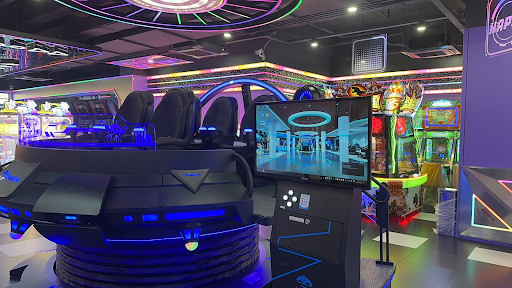
Virtual reality (VR) has revolutionized the entertainment industry, transforming traditional arcades into immersive playgrounds where technology and creativity meet. As more people seek interactive and unforgettable experiences, opening a VR arcade has become an attractive business opportunity. However, like any entrepreneurial venture, success depends on careful planning, strategic investment, and understanding the necessary equipment. This guide provides a comprehensive overview for aspiring VR arcade owners, covering everything from equipment selection to space planning and investment considerations. Whether you’re a seasoned entrepreneur or new to the arcade business, this guide will help you navigate the exciting world of VR entertainment.
Understanding the VR Arcade Market
Before diving into equipment and investment, it’s important to understand the VR arcade market. Consumers today crave experiences they can’t get at home—immersive adventures, social gaming, and thrilling simulations. VR arcades meet this demand by offering high-quality virtual arcade machines that allow users to engage in interactive games, flight simulations, racing, or adventure experiences. Unlike traditional video game consoles, VR arcades provide physical immersion through motion chairs, 360-degree sensors, and multi-sensory effects, making them a unique destination for both casual visitors and avid gamers.
Additionally, VR arcades appeal to a broad demographic: families seeking fun activities, teenagers and young adults looking for social entertainment, and corporate groups interested in team-building experiences. Understanding this audience is critical for selecting the right virtual arcade machines and planning the venue layout effectively.
Choosing the Right VR Equipment
The backbone of any VR arcade is its equipment. Investing in high-quality, reliable systems ensures smooth operation, enhances the user experience, and minimizes maintenance costs. When selecting equipment, consider the following categories:
VR Headsets and Sensors
High-resolution VR headsets with precise motion tracking are essential for immersive gameplay. Popular commercial headsets provide wide fields of view, low latency, and comfortable ergonomics, allowing users to play longer without fatigue. Motion sensors or external tracking systems are necessary to track movements accurately and ensure safety in multiplayer setups.
Virtual Arcade Machines
A variety of virtual arcade machines can be included to cater to different preferences. These include motion-based racing simulators, flight or skydiving simulators, and interactive shooting or adventure games. Equipment such as VR chair simulators or 360-degree motion chairs adds an extra dimension of realism, making the experience memorable and encouraging repeat visits.
Computing Hardware
Powerful computers are required to run VR games seamlessly, particularly when supporting high-end graphics or multiplayer experiences. Ensure that your PCs or consoles meet the hardware requirements for smooth frame rates, detailed visuals, and responsive tracking.
Peripheral Devices
Accessories such as haptic gloves, force feedback controllers, and steering wheels can enhance immersion. While optional, they provide an edge in creating a fully interactive environment that attracts enthusiasts and casual players alike.
Planning Your Space
Physical space is just as important as equipment when opening a VR arcade. The layout affects both safety and the user experience. Consider these factors when designing your arcade:
Zoning
Divide your arcade into different zones based on activity type. High-intensity motion simulators should have larger areas with safety padding and clear boundaries. Social gaming zones can be smaller but comfortable, while VR experiences with minimal movement can occupy compact spaces.
Ceiling Height and Floor Space
Some VR experiences require room-scale tracking and large movements. Ensure ceilings are high enough to prevent accidental collisions, and floors are free of obstacles. Clear walkways are essential for safety and easy supervision.
Seating and Waiting Areas
Comfortable waiting areas encourage customers to stay longer and can increase sales of food, beverages, or additional experiences. Consider lounge seating, charging stations, and digital menus for interactive engagement.
Acoustic Design
Many VR experiences rely on immersive sound. Proper acoustic treatment helps reduce noise spillover between different game zones, enhancing realism and preventing auditory distraction.
Understanding VR Arcade Cost
Starting a VR arcade requires a significant investment, and understanding the VR arcade cost is crucial for budgeting. Expenses typically fall into several categories:
Equipment Costs
High-quality VR headsets, virtual arcade machines, motion chairs, and computing hardware make up the bulk of your initial investment. Depending on the number and type of machines, costs can range from $5,000 to $50,000 per setup.
Space Rental or Purchase
Leasing or purchasing a suitable venue is another major expense. Location is key—high foot traffic areas such as shopping centers, entertainment districts, or near family attractions can increase exposure but may come with higher rental costs.
Renovation and Interior Design
Preparing the arcade space with safety features, lighting, flooring, and thematic design adds to startup costs. Invest in visually appealing environments to enhance customer experience and brand perception.
Licensing and Software
Commercial VR games require proper licensing agreements. Subscription-based content management or software updates should be considered when calculating recurring costs.
Operational Expenses
Staff salaries, utilities, maintenance, insurance, and marketing campaigns are ongoing costs that need careful planning. Staffing requirements include technicians for equipment maintenance, supervisors for customer safety, and attendants for day-to-day operations.
Marketing Your VR Arcade
A strong marketing strategy is essential for attracting and retaining customers. Consider these approaches:
Local Advertising
Promote your arcade through social media, local event listings, and partnerships with schools or community centers. Engaging visual content and VR demonstration videos attract attention online.
Experience-Based Campaigns
Highlight unique features of your virtual arcade machines, such as motion chairs or immersive multiplayer setups, to emphasize the difference from home gaming.
Memberships and Packages
Offer loyalty programs, group packages, and corporate deals to encourage repeat visits. This increases customer retention and ensures a steady revenue stream.
Events and Competitions
Hosting tournaments, themed nights, or VR birthday parties can boost foot traffic and create word-of-mouth promotion, helping to establish your arcade as a go-to entertainment destination.
Tips for Maximizing ROI
Start Small, Scale Up
Begin with a few high-quality VR setups and expand as demand grows. This approach minimizes initial risk while testing customer interest.
Maintain Equipment
Regular maintenance ensures a smooth user experience and extends the lifespan of your equipment. Preventive maintenance reduces downtime and repair costs.
Train Staff Thoroughly
Well-trained staff can manage safety, troubleshoot technical issues, and improve customer satisfaction, directly impacting profitability.
Diversify Experiences
Offer a mix of high-thrill simulators, casual games, and social VR experiences to cater to different audiences and maximize utilization.
Conclusion
Opening a VR arcade is an exciting opportunity that combines technology, entertainment, and business innovation. From selecting virtual arcade machines to planning your space, understanding VR arcade cost, and implementing a strong marketing strategy, success requires careful preparation and ongoing management. By investing in immersive, high-quality VR equipment and creating an engaging environment, arcade owners can attract a wide audience, encourage repeat visits, and establish a thriving entertainment business.
A VR arcade is more than a gaming venue—it’s a space where imagination, technology, and adventure come together. With the right planning, investment, and execution, your VR arcade can provide unforgettable experiences while generating substantial revenue in a growing and dynamic industry.
 Writer