

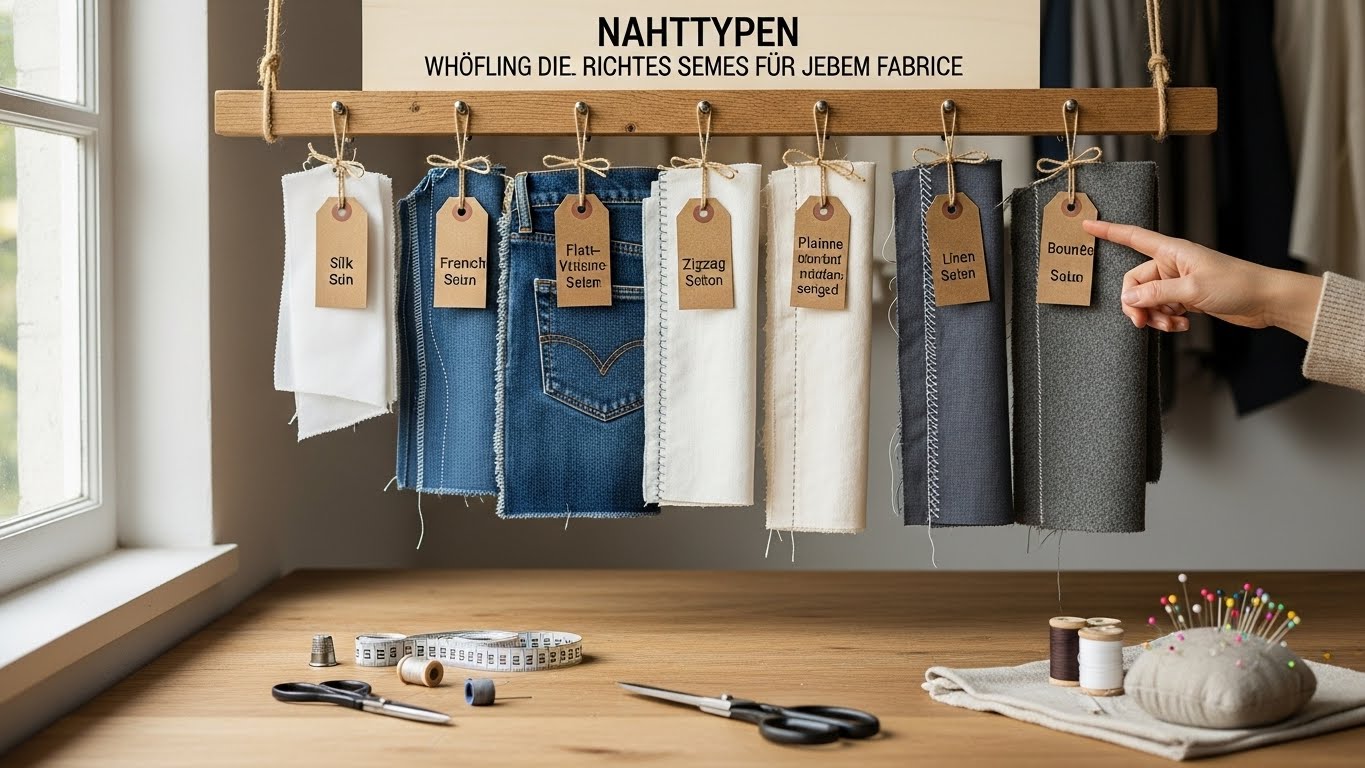
When it comes to sewing, the beauty of your finished project often lies in the details. One of those crucial details is the type of seam you choose—commonly referred to as “nahttypen” in German. Whether you’re crafting a delicate dress or sturdy pair of pants, understanding nahttypen can significantly impact both the form and function of your fabric creations. But with so many options available, how do you decide which seam is right for your specific material? Let’s unravel this essential aspect of sewing together and explore how choosing the right seams can elevate your work from ordinary to extraordinary.
What is Nahttypen?
Nahttypen refers to the various seam types used in sewing and garment construction. These seams play a crucial role in how pieces of fabric come together to create a finished product.
Each nahttyp has its own characteristics, suited for different fabrics and purposes. Some seams provide strength and durability, while others offer flexibility or aesthetic appeal.
Understanding these seam types is essential for anyone looking to improve their sewing skills or create professional-quality garments. The right nahttyp can enhance the overall look and functionality of your project.
From basic straight stitches to more complex techniques like French seams or flat-felled seams, each offers unique benefits tailored to specific materials. Knowing when and where to use them can elevate your sewing game significantly.
Understanding the Importance of Seams
Seams are the unsung heroes of sewing. They hold fabric pieces together, creating the structure of any garment or textile project. Without seams, your beautiful fabrics would remain just that—beautiful but disjointed.
The choice of seam can significantly impact the durability and appearance of your finished piece. A well-constructed seam will not only withstand wear and tear but also enhance the overall look by allowing for clean lines and smooth curves.
Furthermore, seams contribute to how a fabric drapes and moves. Different stitching techniques can create varying effects on flow and fit, making them essential in tailoring garments to achieve desired silhouettes.
Understanding seams empowers you as a creator. It allows you to choose styles that best suit your projects while ensuring both functionality and aesthetics are met with precision.
Different Types of Seams and Their Functions
Seams play a critical role in garment construction, influencing both durability and aesthetics. One common type is the plain seam, often used for basic construction. It’s simple yet effective, joining two pieces of fabric together seamlessly.
The French seam offers a neat finish that encloses raw edges, making it perfect for lightweight fabrics like chiffon or silk. This technique provides extra strength without compromising elegance.
For stretch fabrics, a zigzag seam is essential. It allows the material to move without breaking while maintaining shape and form.
Flat-felled seams are popular in denim and heavy textiles due to their robust nature. They lie flat against the fabric surface, offering both strength and style.
The overlock seam prevents fraying on woven materials while allowing flexibility—a must-have for knits and activewear. Each type serves its purpose based on fabric choice and intended use.
Choosing the Right Seam for Your Fabric
Choosing the right seam for your fabric is essential for achieving a polished finish. Different fabrics require different treatments to ensure durability and aesthetics.
For lightweight materials, such as chiffon or silk, opt for French seams. They provide a clean look while preventing fraying. Cotton blends can benefit from straight stitches, offering strength without bulk.
Heavyweight fabrics like denim or canvas need robust seams like flat-felled seams. These not only add strength but also lend a professional touch to your projects.
Don’t forget about knit fabrics! A zigzag stitch allows the material to stretch without breaking the seam.
Always consider the purpose of your garment too; functional pieces might demand sturdier options than delicate items meant for special occasions. Taking time to match fabric with an appropriate seam type pays off in both appearance and longevity.
Factors to Consider When Choosing a Seam
When selecting a seam, the type of fabric plays a crucial role. Lightweight fabrics may require delicate seams to avoid puckering, while heavier materials can handle sturdier options.
Consider the garment’s purpose as well. If it’s for everyday wear or active use, opt for durable seams that withstand stress and movement. For formal attire, more refined finishes can enhance elegance.
Also think about aesthetics. Some seams are designed to be visible as part of the design, while others should remain hidden for a clean look.
Don’t overlook ease of sewing either. Certain seam types demand specific techniques or tools that might complicate your project if you’re not prepared.
Always keep in mind any potential fabric fraying. Choosing an appropriate seam finish can help maintain your creation’s integrity over time.
Tips for Sewing Different Types of Seams
When sewing seams, the right technique makes all the difference. Start by selecting an appropriate needle for your fabric type. A finer needle works best on delicate materials, while a sturdier one is ideal for heavier fabrics.
Always use matching thread to ensure durability and maintain aesthetic appeal. It’s not just about looks; mismatched threads can lead to breaking during wear.
Practice using seam allowances consistently. This will help you achieve even stitches and a polished finish.
Don’t forget to press your seams as you go. Pressing opens up the fabric fibers, giving your seams a crisp appearance that enhances the overall look of your project.
Consider using different stitch types based on fabric stretchability. For knits, zig-zag or stretch stitches provide flexibility without compromising strength.
Common Mistakes to Avoid When Sewing Seams
When sewing seams, one of the most common mistakes is not pre-washing your fabric. Skipping this step can lead to unexpected shrinkage after you’ve completed a project.
Another frequent error is using the wrong type of needle for your chosen fabric. A universal needle might work for many materials, but specialty fabrics require specific needles for optimal results.
Many sewists also overlook seam allowances. Cutting too close to the edge can compromise durability and make it difficult to finish seams neatly.
Additionally, Nahttypen failing to press seams as you go can result in bulky or uneven edges. Ironing helps create crisp edges and improves overall appearance.
Rushing through sewing tasks often leads to misalignment or skipped stitches. Taking your time ensures better accuracy and a more polished finish on your final piece.
Conclusion
Selecting the right seam for your project can significantly impact both the appearance and durability of your finished piece. Each Nahttypen offers unique benefits tailored to different fabrics and purposes. Understanding these nuances not only enhances your sewing skills but also elevates the quality of your work.
Remember, different fabrics have distinct requirements. Consider factors like strength, stretchability, and finish when choosing seams. With practice, you’ll develop a keen sense for which seam works best with various materials.
By avoiding common pitfalls and applying tips specific to each nahttyp, you’ll find satisfaction in every stitch you take. Embrace this knowledge as part of your creative journey—every project is an opportunity to learn something new about fabric manipulation and design. Happy sewing!