

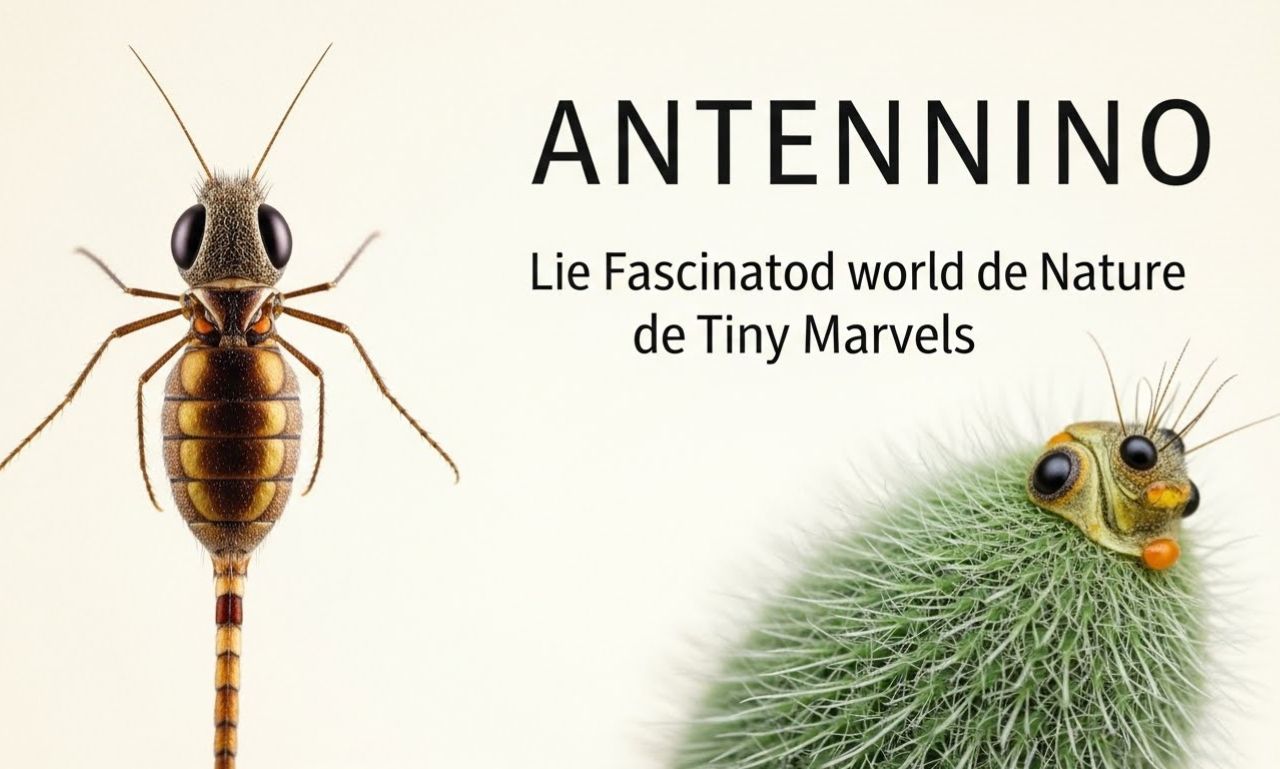
Welcome to the enchanting world of the antennino, where nature’s tiny marvels capture our curiosity and admiration. These delightful creatures may be small in size, but their impact on the environment is immense. With unique physical traits and fascinating behaviors, antenninos are a testament to the intricate web of life that surrounds us. Join us as we delve deeper into what makes these little wonders so special! Whether you’re an avid nature lover or just someone looking to learn more about this intriguing species, there’s something here for everyone. Let’s embark on this journey together and uncover the mysteries of the antennino!
What is Antennino?
Antennino refers to a fascinating aspect of nature often overlooked—the small yet significant creatures that play vital roles in ecosystems. While the term may evoke images of tiny insects, it encompasses various organisms exhibiting unique behaviors and adaptations.
These remarkable beings thrive in diverse habitats, from lush forests to arid deserts. Their intricate body structures often include specialized antennae—hence the name “antennino,” derived from their defining feature.
Antenni can be sensory organs that help them navigate their environment, find food, or communicate with others in their species. Each antennino brings its own flair to the natural world.
Understanding what an antennino truly is opens a window into exploring biodiversity’s wonders. These tiny marvels invite curiosity and appreciation for life on our planet’s smaller scale. They remind us that even the smallest creatures have stories worth telling.
The Life of an Antennino
An Antennino’s life begins as a tiny embryo. These fascinating creatures emerge from eggs laid in sheltered spots, often hidden among leaves or beneath rocks.
Once they hatch, they embark on a journey of survival. Their first challenge is finding food while evading predators. They primarily feed on nectar and pollen, which provide essential nutrients for growth.
As they mature, Antenninos exhibit remarkable adaptability. They can thrive in various environments—from lush gardens to arid landscapes—showing resilience that many larger species lack.
Social structures come into play as well. Some Antenninos form small colonies where cooperation enhances their chances of survival. Communication through pheromones helps them coordinate activities like foraging and defending their territory.
The daily life of an Antennino is filled with challenges yet showcases the beauty of nature’s intricate design at such a microscopic level. Each day brings new discoveries and adventures in their miniature world.
Physical characteristics and behaviors
Antenninos are remarkable creatures that often go unnoticed. Their small size, typically measuring just a few millimeters, makes them fascinating to observe. They exhibit a range of colors, from earthy browns to vibrant greens, allowing them to blend seamlessly into their surroundings.
These tiny marvels possess delicate antennae that serve as their primary sensory organs. This allows them to navigate through complex environments in search of food and shelter.
Their behaviors can be equally intriguing. Antenninos engage in intricate social interactions within colonies. Communication is key; they use pheromones for signaling danger or marking trails leading to resources.
Additionally, many species display unique nest-building techniques using natural materials like leaves and soil. This adaptation not only protects them but also showcases their resourcefulness in the wild. Observing these behaviors offers a glimpse into an extraordinary world often overlooked by larger wildlife enthusiasts.
The Role of Antennino in Nature
Antenninos play a vital role in their ecosystems, acting as miniature engineers. Their activities help aerate the soil, allowing nutrients and water to penetrate deeper layers. This process promotes healthier plant growth.
Additionally, these tiny marvels serve as pollinators for various flowering plants. By transferring pollen from one bloom to another, they facilitate reproduction and biodiversity within their habitats.
Their presence also supports food chains. Many creatures rely on Antenninos as a primary source of nourishment. Birds, small mammals, and even other insects hunt them diligently.
Furthermore, Antenninos contribute to organic matter decomposition. As they feed on decaying material, they break it down into rich compost that nourishes the earth.
Without them, many natural processes would falter. The balance of ecosystems depends significantly on these unassuming yet industrious beings.
Importance in the ecosystem
Antenninos play a crucial role in maintaining the balance of their ecosystems. These tiny creatures often serve as pollinators, helping to fertilize plants and promote biodiversity. Their activities ensure that various plant species can thrive, which is essential for sustaining other wildlife.
Additionally, Antenninos contribute to soil health through decomposition. As they break down organic matter, they enrich the soil with nutrients vital for plant growth. This process creates a thriving environment for many other organisms.
They also act as food sources for larger predators. Birds and small mammals rely on Antenninos as part of their diet, highlighting their importance at multiple levels of the food chain.
Moreover, these remarkable insects help control pest populations naturally. By preying on harmful pests, Antenninos support agricultural practices and reduce reliance on chemical pesticides. Their presence enhances ecological harmony without human intervention.
Interesting Facts about Antennino
Antenninos are full of surprises. Did you know that they communicate using chemical signals? These tiny creatures release pheromones to convey messages about food sources and dangers.
Another fascinating aspect is their incredible adaptability. Antenninos can thrive in various environments, from lush gardens to arid deserts. Their resilience makes them a marvel of nature.
Some species even exhibit unique social structures, forming complex colonies with specific roles for each member. Worker antenninos tirelessly gather resources while the queen focuses on reproduction.
Their diet varies widely as well. Many antenninos are omnivorous, feeding on both plant material and small insects, playing an essential role in controlling pest populations.
Some types engage in mutualistic relationships with plants or other animals, showcasing the interconnectedness of life within ecosystems. Antenninos truly embody the wonders of biodiversity!
Preservation and Conservation Efforts for Antennino
Preservation efforts for Antennino are crucial in maintaining biodiversity. As these tiny marvels play a vital role in various ecosystems, protecting their habitats is essential.
Conservation organizations actively work to raise awareness about the importance of Antenninos. They conduct research and monitor populations to understand better how environmental changes impact them.
Habitat restoration projects help revive areas where Antenninos once thrived. These initiatives often involve replanting native flora that supports their life cycles.
Community engagement also plays a significant role. Educational programs encourage local residents to appreciate and protect these small creatures, fostering a sense of responsibility towards nature.
Active policies aimed at reducing pesticide use contribute significantly to their preservation as well. Sustainable farming practices not only enhance crop yields but also create safer environments for Antenninos and other wildlife alike.
How to Attract Antenninos to Your Garden
Creating a welcoming environment is essential for attracting antenninos to your garden. Start by planting native flora that provides food and habitat. These plants naturally draw in various insects, creating an inviting ecosystem.
Adding small water sources can also help. A shallow dish with fresh water or a tiny pond can attract them for hydration. Keep the area moist but not overly saturated to encourage a healthy balance.
Consider incorporating organic mulch around your plants as well. This practice enhances soil quality while providing shelter for antenninos seeking refuge from predators.
Reduce pesticide use wherever possible. Chemical treatments disrupt their natural behaviors and deter them from visiting your space. Embrace companion planting techniques to maintain pest control without harming these tiny marvels of nature.
Appreciating the Wonders of Nature’s Tiny Marvel – The Antennino
The antennino, with its intricate design and vibrant colors, is a true testament to nature’s creativity. These tiny beings often go unnoticed in the grand tapestry of life, yet they play crucial roles in their ecosystems.
Watching an antennino move through its environment offers a glimpse into the marvels of adaptation. Each small movement reveals a world filled with purpose and instinct. Their behaviors are finely tuned for survival.
Beyond their physical beauty lies the importance of understanding these creatures. They remind us that even the smallest players have significant impacts on our planet’s health. By appreciating them, we foster curiosity about biodiversity and conservation.
Creating spaces for antenninos encourages respect for all living things. Observing these minuscule wonders can spark joy and inspire a deeper connection to nature’s delicate balance.
Conclusion
The enchanting world of the Antennino invites us to explore nature’s hidden gems. These tiny marvels play crucial roles in our ecosystems, from pollination to soil health. Their fascinating life cycles and unique behaviors showcase the complexity and beauty of nature.
As we learn more about Antenninos, it becomes clear that they deserve protection and appreciation. By understanding their significance, we can foster an environment that supports their populations. Creating welcoming spaces in our gardens can also help attract these remarkable creatures.
Whether it’s observing them firsthand or simply acknowledging their role in the natural world, there’s much to admire about the Antennino. Engaging with nature through this lens opens doors to a deeper connection with our surroundings—one rich with wonder and discovery. Embracing these tiny beings shows respect for all forms of life on Earth and encourages a harmonious coexistence that benefits everyone involved.