

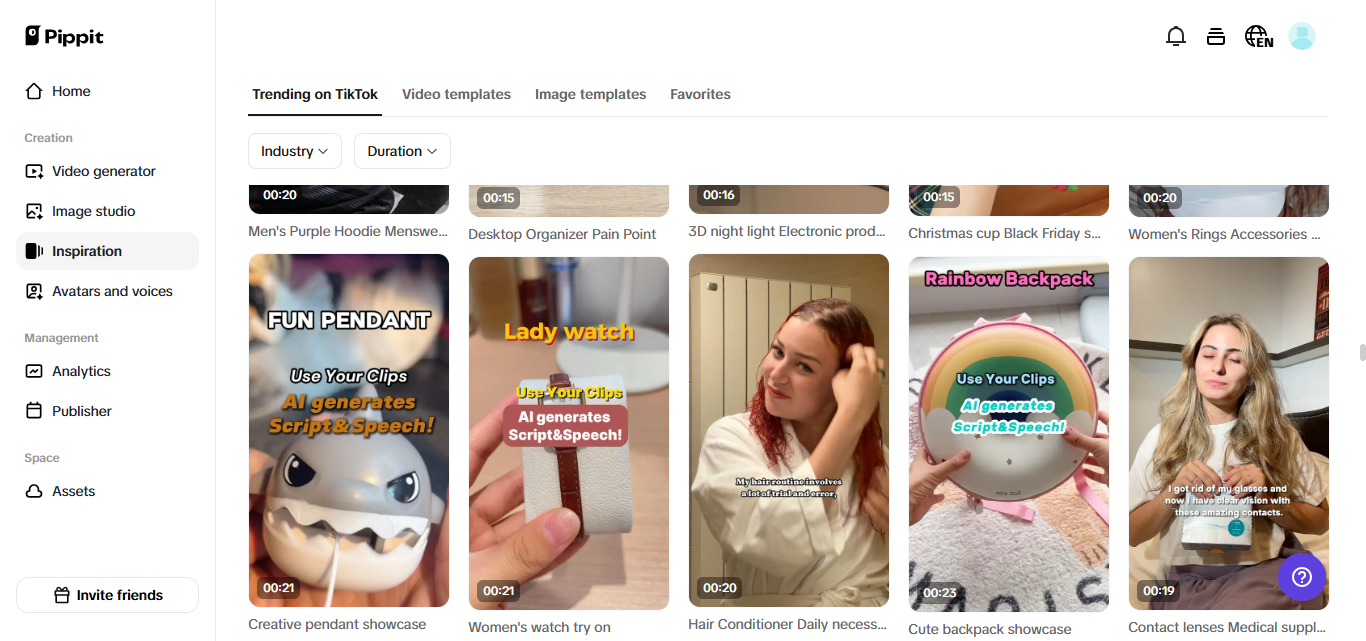
Creators live in an attention economy that measures the currency in milliseconds. From the moment your video loads, viewers subconsciously decide to stay or bounce. For this reason, those first flashes of emotion-the opening seconds-mean more than any transition, thumbnail, or title card. Storytelling, especially micro-storytelling, is the secret weapon that makes people stay. With modern tools like AI video generator free platforms and Pippit, crafting emotionally-charged intros has never been easier-or faster.
Your intro is not just an opening, but it’s a handshake, a spark, and a promise. If viewers feel something instantly-curiosity, humor, tension, empathy-they are already locked in before the main content begins.
Why six seconds is the magic threshold
Six seconds might sound impossibly short, but it’s surprisingly powerful. It forces creators to strip out unnecessary build-up and drop viewers right into a moment that matters. What the brain responds to
- Emotional cues, such as confusion, excitement, relief, or surprise
- Quick contrast between expectation and reality
- Rapid tension makes the viewer want the next beat.
- Authentic personality signals that are more human than scripted
People won’t wait around for value anymore; they need relevance now, immediately. A six-second story skips right to the emotional payoff that would usually be reached in a minute.
Micro-stories raise the viewers’ curiosity.
When viewers feel a story is emerging, their brains transform from passive viewers to active participants. They predict, they guess, they anticipate. And these mental engagements increase watch time as well as overall engagement dramatically. Even the tiniest unresolved moment can glue someone to the screen before they realize they’ve committed to the full video.
Tension lights the spark.
Tension doesn’t mean chaos-it just means that something isn’t complete, or it’s not quite right. Even subtle tension works:
- A creator holding something out of frame
- A sudden cut to an odd moment
- A puzzled expression for which the viewer wishes there was an explanation
- A short video of a failure or breakage
Tension triggers the “I need to know more” instinct.
Promise keeps them watching
Even if you aren’t stating the outcome in the intro, you still must hint at what this reward is:
- “This is where everything went wrong.”
- “I wasn’t ready for what happened next.”
- “I thought this was impossible… until today.”
- “This clip almost made me abandon the whole project.”
These small implications serve as emotional breadcrumbs.
Personality makes it memorable.
Viewers return not just for content but for creators. Micro-stories let your personality shine fast:
- An eyebrow quirk, sarcastic.
- A sudden laugh
- A dramatic pause
- The intimate whisper
These micro-moments bring you to life in seconds.
Shaping your intro like a scene, not a slogan
Many creators fall into the trap of treating intros like announcements: stiff, predictable, and forgettable. But six-second stories work best when you think in scenes.
Show movement, not explanation
Instead of greeting or recapping, drop straight into action:
- A picture of something extraordinary
- A cut to a mistake
- A moment just before a big reveal
- A reaction out of context
These fragments are alive and cinematic.
The intro is like the doorway
One doorway leads somewhere. It doesn’t tell the whole story; it hints at it. It lets viewers peek, not analyze. Your microstory should be a doorway into your world: somewhat mysterious, somewhat incomplete, emotionally charged.
Visuals amplify emotion
Intro imagery is incredibly powerful because it hits before words do.
- tight close-ups
- Quick cuts
- Sudden zoom breaths
- Quick pans across an odd detail
Your viewer is already immersed before you’ve said a word.
Using technology to create tiny narratives.
Micro-stories lean heavily on pacing, expression, and emotional clarity. Invaluable modern tools help creators hone those aspects without hours of editing.
Syncing your story with expression
Some creators use AI lip sync when they need intros where the reactions, mouth movements, or comedic timings need to perfectly align with quick dialogues. Clean expression sync can make a six-second intro feel unexpectedly cinematic.
Story-first automation
Technology today lets creators focus on emotion, not mechanics. Automated trimming, instant reaction alignment, and smart templates take away the busywork, freeing you to put more energy into crafting memorable hooks.
Increasing speed and efficiency.
In an age of rapid content creation, editing delays kill creativity. A good YouTube intro maker helps creators build these short narrative beats in minutes by offering reusable cuts, punchy transitions, and minimalistic overlays that don’t distract from the story.
Turning six-second storytelling into a creator signature
Once you master micro-stories, they become a part of your identity. Viewers begin to expect your intros. They click because they know you’ll start with emotion, not filler.
Building recognition – A consistent style-funny, dramatic, chaotic, soft-makes your intros feel branded without ever showing a formal logo or title card.
Strengthening connection – Your audience becomes accustomed to your phrasing, tempo, and intonation. They feel closer to you, and that emotional proximity pays off in loyalty.
Improving organic retention – A powerful six-second story paces the entire video. Viewers remain longer because the introduction made a promise of something meaningful.
Conclusion: Make your micro-stories shine with Pippit.
Six-second storytelling is less about rushing and more about refining. When you build intros around tension, emotion, and personality, people feel instantly connected. And if you want to create these storytelling-powered intros quickly and beautifully, try Pippit. It makes crafting expressive, emotional, scene-like openings simple and fun, so your audience stays hooked from the very first second.